Feed optimization
Titles, attributes and supplemental feeds tuned so your products win the auctions that matter.

Book a free audit call and we will tell you which lever moves your numbers first.
Book a free auditShopping and Performance Max campaigns built on a Merchant Center that passes clean data, with products segmented by margin so bids match what each SKU can actually afford to pay. Book the free audit and within 48 hours you will know how much of your catalog is eligible to serve, and where your Shopping spend is leaking.
30 minutes · Senior PPC specialist, never a junior · Findings in 48 hours
Trusted by 50+ D2C brand founders


A Google Shopping ads agency manages the product feed and the campaigns that spend against it — Merchant Center health, product titles and attributes, campaign structure and bidding — so that the right products show for the right searches at a price the margin supports.
The distinction that matters is where the work actually happens. In Search, you write the ad. In Shopping, Google writes the ad from your product feed, which means your titles, attributes, images and prices are the creative. An agency that only touches bids and budgets is optimizing the last ten percent of a system whose first ninety percent it never opens. That is why a Google Shopping ads agency should be judged on what it does inside Merchant Center, not on how often it adjusts a target ROAS.
Feed work is unglamorous and it is where the return is. Product titles get rewritten to lead with the attributes people actually search — brand, product type, size, color, material — instead of the internal naming your catalog happens to use. Missing GTINs, wrong Google product categories, stale prices and unset attributes get filled in, often through a supplemental feed so your Shopify catalog stays untouched. Disapprovals and policy flags get cleared, because a disapproved product does not bid at all and nothing in the campaign report will tell you why revenue dropped.
Structure comes next. A single Shopping campaign spending across your whole catalog averages a high-margin bestseller together with a low-margin accessory and bids the same for both. We split products by margin and intent using custom labels, so the SKUs that can afford aggressive bidding get them and the ones that cannot are capped or excluded. Performance Max runs alongside with asset groups segmented the same way, plus the exclusions and brand controls that stop it quietly absorbing traffic your Search campaigns already own.
Then it gets measured properly. Performance Max is often described as a black box; a great deal of what it does is visible if you go looking — search term and listing group reporting, asset performance, channel splits. We pull that out so decisions run on evidence, and we tie the whole account back to store revenue rather than platform-reported conversions, because Shopping revenue that only exists inside Google Ads is not revenue you can spend.
We'd check Merchant Center health, disapprovals, missing attributes and how Shopping spend splits across your margins, then send back what to fix first within 48 hours.
Titles, attributes and supplemental feeds tuned so your products win the auctions that matter.
Products segmented by margin and intent, so bids match what each SKU can afford.
Disapprovals, GTIN issues and policy flags handled before they quietly kill delivery.
Performance Max run on clean data, with search-term visibility instead of a black box.
We tear down your account and show you exactly where spend is leaking — before you pay anything.
Offers, funnel and creative angles mapped first. Media buying executes the plan, it is not the plan.
Structured testing finds winning audiences and creative fast, without torching the budget.
Winners get budget, losers get cut, and reporting ties every dollar back to revenue.
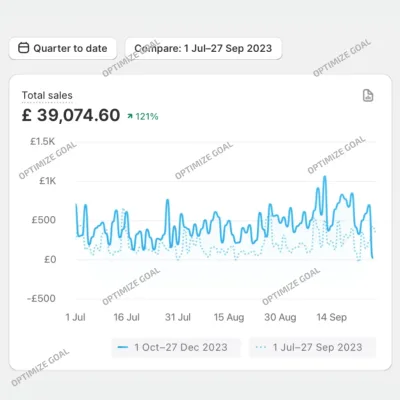
Revenue had stalled. We fixed the site experience and launched UGC problem-solution ads — the quarter closed up 121% on the one before.
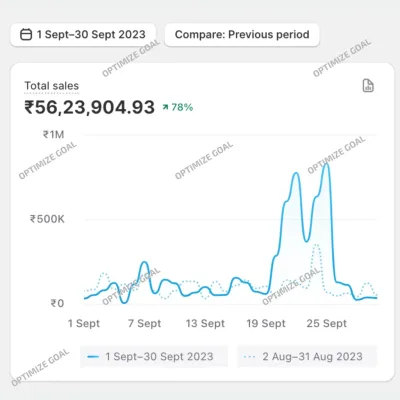
No funnel structure and a flat account. We rebuilt campaigns around a small set of offers and let the winners take the budget.
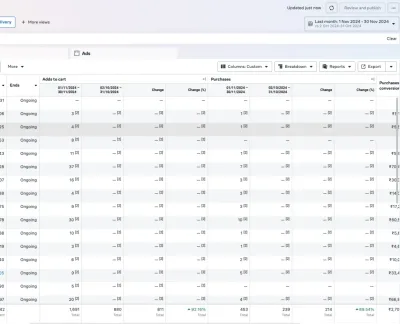
The brand could not scale without losing profitability. The first 30 days of the new funnel lifted adds to cart 92% and purchases 89%.
“A lot of custom development made it difficult to glean accurate insights through Google Analytics. They exceeded our expectations by finding a solution in half the time that other firms quoted us, and did so mostly independently, letting our team focus on the day-to-day.”
Almost every agency will manage your bids. The difference in Shopping shows up in whether anyone opens Merchant Center, because that is where the ad copy actually lives.
| What to compare | Feed-led management | Bid-led management |
|---|---|---|
| Where the work happens | Merchant Center and the feed first, then campaign structure, then bids | Inside the Ads interface only; the feed is treated as a fixed input |
| Product titles | Rewritten to lead with the attributes buyers search for | Whatever the store catalog exports, unchanged |
| Catalogue coverage | Products split by margin with custom labels so the long tail can bid | One campaign averaging bestsellers and accessories together |
| Performance Max | Asset groups segmented by margin, with exclusions and search term reporting extracted | One PMax campaign left to run as a black box |
| Disapprovals | Monitored and cleared; a dead product is a bid that never happens | Noticed when revenue drops far enough to prompt a question |
| What success means | Store revenue and contribution margin against total Google spend | Platform-reported ROAS, which counts the same sale more than once |
For ecommerce stores spending at least $5k a month on Google, with Shopping or Performance Max carrying the product spend. Below that, we'll say so on the call.
Get my free Shopping feed auditShopping inventory is matched, not bid on. There is no keyword list: Google reads the feed, decides which queries a product is relevant to, and enters the auction on your behalf. Every lever an advertiser has over relevance therefore sits in the feed. A product titled with an internal SKU name and no material or size attribute simply does not match the queries that describe it, and no bid adjustment fixes an ineligibility.
This is also why feed work compounds where bid work does not. A bid change is worth what it is worth this month. A rewritten title that starts matching a whole family of queries keeps earning as long as the product is listed, and it lifts Performance Max at the same time, because PMax draws on the same feed. When a Google Shopping ad agency tells you the account is fully optimized but has never touched a product title, the most valuable work available has not been started.
The catalog also needs to be treated as a set of different businesses. A product carrying sixty percent margin and one carrying twelve can both look profitable at the same account-level target and only one of them is. Segmenting the feed by margin with custom labels lets each group carry a target it can actually support, which usually means spending more on the products that deserve it rather than less overall.
Merchant Center carries more than the feed, too. Merchant Center Next, the rebuilt version Google has moved accounts onto, is also where product ratings are managed, adding review stars to listings once product reviews are submitted through Google or an approved review partner. Its price competitiveness report shows where your prices sit against other merchants selling the same items, and loyalty annotations let listings show member prices or perks to shoppers enrolled in your loyalty program. None of these is a bid, and each one changes whether a listing that does appear gets clicked.
Performance Max absorbed Smart Shopping and, for most ecommerce accounts, now carries the majority of product spend. Its reputation for opacity is half deserved. It genuinely does decide its own channel mix and placements, including Shopping ads on YouTube, where products from your feed are shown with video ads. But listing group performance, search term categories, asset scores and product-level revenue are all retrievable, and an agency that reports none of them has chosen not to look rather than been prevented from looking.
Left unattended, PMax has two habits worth managing. It will happily spend on brand searches you would have won for free, which inflates its reported ROAS and quietly makes it look like the best campaign in the account. And it will concentrate budget on a small set of proven products while the rest of the catalog starves. Brand exclusions address the first. Segmenting asset groups by margin and product priority addresses the second.
We generally keep Standard Shopping running alongside rather than consolidating everything into PMax. It gives clean, attributable data on which products and queries convert, which is the feedback loop feed work depends on, and it provides a control group when PMax's own numbers look better than the store's bank balance.
Plenty of agencies call themselves Google Shopping experts on the strength of one Shopping campaign sitting inside a general PPC account. The quickest test is to ask what they would change in Merchant Center during the first month. A Google Shopping management agency worth hiring answers with specifics: which disapprovals it would clear first, how it would rewrite titles, what would go into a supplemental feed, and how the catalog would be split with custom labels. If the answer is mostly bid strategies and budget pacing, the feed will stay exactly as it is, and so will the results.
Then ask how the feed work is priced. Some agencies scope Google Shopping feed management and Merchant Center optimization as a one-off project billed on top of the retainer, which makes the highest-return work the first thing cut when budgets tighten. Here, titles, attributes, GTINs, product categories and supplemental feeds sit inside the monthly fee. Ask which tool carries the feed as well. Shopify stores usually sync to Merchant Center through the Google & YouTube app, and larger catalogs often add a feed platform such as DataFeedWatch, Feedonomics or Channable; the tool matters less than whether someone who reads search terms is writing the rules inside it. Ask who owns the feed rules and the accounts afterwards, too: if a Google Shopping marketing agency builds everything inside its own tools, leaving means rebuilding from scratch.
Finally, look at how results will be reported. Google Shopping advertising produces some of the most flattering numbers in any ad account, because Performance Max collects credit for brand searches and platform ROAS counts one order in several places. An agency that reports Shopping spend against store revenue and margin, keeps Standard Shopping running as a control, and shows you search terms and listing groups is handing you a way to check its work. One that sends a single platform ROAS figure is asking to be trusted instead.
A useful Shopping audit is specific enough to act on without hiring anyone. Ours covers Merchant Center account health and every current disapproval, how much of the catalog is actually eligible to serve, which attributes are missing across how many products, how spend is distributed across the catalog against margin, whether PMax is bidding on your own brand, and whether the conversion data Google is optimizing towards matches the orders in your store.
That last point undoes more Shopping accounts than any bidding mistake. Smart bidding optimizes towards the conversions it is sent. If checkout events are firing twice, or if a chunk of purchases is lost to browser restrictions and never recovered server-side, the algorithm is being trained on a distorted picture of which products are worth buying traffic for — and it will keep pushing budget in the wrong direction with complete confidence.
The audit is free, comes back in 48 hours and carries no obligation. If the finding is that your feed is in good shape and the account needs less spend rather than more management, that is what the audit will say.
A Google Shopping ads agency runs the paid product listings that appear across Google Search, the Shopping tab and Google's wider inventory, and manages the product feed those listings are generated from. That covers Merchant Center health, product titles and attributes, campaign structure, bidding and reporting. The distinguishing feature against a general PPC agency is that a Shopping specialist works inside your product data as much as inside the Ads account, because in Shopping the feed is what creates the ad.
Most Google Ads management retainers run $1,000 to $8,000 per month, or 10 to 20% of ad spend, and that fee is separate from the budget you give Google. Where a store lands in that range depends on catalog size and how much feed remediation is needed up front rather than on spend alone — a thousand-SKU catalog with missing attributes is more work than a fifty-product store spending twice as much. You get a clear scope before anything starts, and the arrangement is month to month with no lock-in.
Most of our clients spend at least $5k per month on Google. Below that, management fees start eating a share of the budget that is hard to justify, and the account usually needs feed fixes and tracking work more than it needs daily management. The free audit will tell you honestly which situation you are in — if the answer is that you should spend three weeks on your feed and revisit management later, we will say so rather than sell you a retainer.
Feed optimization is the core of the work, not an add-on. We rewrite product titles to lead with the attributes buyers actually search, complete missing GTINs, brands and Google product categories, add the attributes your catalog never populated, and clear disapprovals. Where your store platform makes editing awkward we do it through a supplemental feed, so your Shopify product data stays as your team maintains it and the advertising layer sits on top rather than fighting it.
Our Google Ads service covers the whole account — Search, Shopping, Performance Max and YouTube — for stores that want every campaign type run together. This page describes the Shopping and feed specialism inside that: Merchant Center, product data, feed structure and the campaigns that spend against it. Retailers whose revenue is overwhelmingly product-listing driven usually want this focus; brands with significant non-Shopping search demand are better served by the full Google Ads engagement, and we will point you to whichever fits.
Yes, and it is usually the first thing we do because a disapproved product cannot bid at all. Disapprovals fall into a few families: policy issues, missing or mismatched identifiers, price and availability mismatches between the feed and the landing page, and account-level suspensions. Each needs a different fix and some need a formal review request. We work through the list, resolve the underlying cause rather than resubmitting and hoping, and set up monitoring so the next one surfaces within days.
For most ecommerce accounts, both. Performance Max Shopping campaigns reach inventory Standard Shopping cannot and generally carry the bulk of product spend. Standard Shopping gives you clean, attributable data on which products and queries convert, which is what feed decisions depend on, and acts as a sanity check when PMax's self-reported results look better than your actual revenue. Consolidating everything into PMax is simpler to administer and costs you the visibility that makes the account improvable.
Brand exclusions applied at the campaign level, supported by a separate brand Search campaign so those queries are captured deliberately and cheaply. Left unmanaged, Performance Max will bid on people already searching for you, convert them at a high rate because they were going to buy anyway, and report an excellent ROAS built substantially on demand you already had. Separating branded from non-branded is what makes the campaign's contribution to new customer revenue visible.
In Search you choose keywords and write the ad text. In Shopping there is no keyword list: Google builds the ad from your product feed, showing the image, title, price and store name, so titles and attributes do the job keywords do in Search. That is why feed work moves Shopping results more than bid changes. Shopping tends to win product-led queries where people compare items visually, while Search suits category, problem and brand queries. Most stores need both, and our Google Ads for ecommerce service runs Search alongside Shopping.
Against store revenue, not platform-reported conversions alone. We implement enhanced conversions and server-side tracking so purchases are recorded reliably, then report Shopping spend against what your store actually took, using GA4 and your order data, alongside contribution margin where you can share cost data. Platform ROAS is still shown because bidding runs on it, but it is presented as an input to decisions rather than as the result — several campaigns claiming credit for the same order is the normal state of ad platform reporting.
A standard order of work, applied to your catalog. Merchant Center health comes first, then titles and attributes, then structure by margin with custom labels, then bidding and Performance Max controls. What changes from store to store is where the effort goes. A fifty-product brand may need little more than clean titles and a margin split, while a large catalog leans on rules-based feed work, because thousands of items can sit ineligible, mistitled or bidding at a target their margin cannot support. The audit tells you which kind of account you have.
Audit findings come back in 48 hours. Feed corrections and disapproval fixes can show up within days because they change what is eligible to serve at all. Restructuring campaigns by margin and letting smart bidding relearn typically takes the first 30 days, with clearer results across days 30 to 60 once there is enough conversion data at the new structure. Anyone promising a specific ROAS before seeing your feed is guessing.
Yes. Both accounts stay in your name with you as owner and full admin access throughout, and that does not change if the engagement ends. Supplemental feeds, custom labels and campaign structure all live in your accounts, so the work stays with you. We work month to month with no lock-in, on the basis that an agency should keep the account by being worth keeping rather than by holding the login.
To the extent it affects performance, yes. Price and availability mismatches between feed and landing page cause disapprovals; slow product pages waste the clicks Shopping buys; missing structured data limits what Google can read. We flag and fix what sits in the advertising path, and where the work is a larger store project our Shopify development and CRO teams handle it, so you are not managing the handover between an ads agency and a developer who have never spoken.
Google Shopping ads work best when people search for your products by type and attribute, when your prices hold up next to competing listings on the same results page, and when your images and titles look credible side by side with rivals. They struggle with products nobody searches for yet, with made-to-order or quote-based items, and with catalogs whose feed is too thin to match the queries that describe them. The free audit shows which of your products fall into which group before more budget goes in.
It can be, provided bids are set by product margin rather than by one account-wide target. A thin-margin item bidding at the same target ROAS as your best-margin lines will look profitable inside Google Ads and lose money once cost of goods and shipping are counted. Segmenting the catalog with custom labels lets low-margin products run at a stricter target, or sit out entirely, while the products that can afford it get the budget. For most stores, whether Shopping pays is a product-level answer, not an account-level one.
Free Google Shopping listings are worth switching on, because they draw on the same Merchant Center feed and cost nothing per click. They are rarely enough on their own: free listings get far less prominent placement than paid Shopping ads, and they cannot be bid up for the products and searches that matter most. Treat them as a free signal of which products the feed can already match, and as one more reason to keep Merchant Center clean, since a disapproved product loses its free listing and its paid one at the same time.
The call is 30 minutes with a senior PPC specialist. Bring read access to Google Ads and Merchant Center if you can; if not, your store URL is enough to start. We walk through feed health, disapprovals, how spend spreads across the catalog and whether Google's conversion data matches your orders, then follow up with written findings within 48 hours. There is no obligation, and if the honest answer is that your feed needs work before management makes sense, that is what you will hear.
Neither is better in general; they sell in different places. Amazon ads send the shopper to a listing on Amazon, where the marketplace takes its fees, keeps the customer relationship and sets the rules on price and presentation. Google Shopping sends the click to your own store, so you keep the customer data, the email address and the margin on repeat orders. Brands with strong Amazon demand often run both. For a DTC store building its own customer base, Shopping is usually the channel that compounds, provided the feed and tracking are sound.
Three things. A Merchant Center account with your website verified and claimed, shipping and return settings filled in, and a product feed carrying the required fields: ID, title, description, link, image, price and availability, plus GTIN and brand where they exist. A Google Ads account linked to that Merchant Center. And conversion tracking that records purchases accurately, ideally with enhanced conversions, because smart bidding learns from it from the first day. Shopify stores usually connect the feed through the Google & YouTube app, and the audit checks all three.
Thirty minutes with a senior strategist, not a salesperson. You leave with the first three things we would change — and you decide what happens next.