Paid search & Shopping
Search, Shopping and Performance Max built on a clean product feed and bid to SKU margin.

Book a free audit call and we will tell you which lever moves your numbers first.
Book a free auditMeta, Google and TikTok ads run for Shopify merchants against contribution margin, not platform-reported ROAS, with checkout-accurate tracking behind every optimization decision. Book the free audit call and within 48 hours you will see where your spend is leaking, what your feed is blocking and what we would change in the first 90 days.
30 minutes · Senior buyer, no pitch deck · Findings inside 48 hours
Trusted by 50+ D2C brand founders


A Shopify ads agency is a paid media team that plans, builds and runs advertising on Meta, Google and TikTok for Shopify stores, then manages that spend against store-level profit instead of platform-reported ROAS.
The day-to-day work of a Shopify advertising agency splits into four jobs: account structure, creative, the product feed and measurement. Structure decides how the algorithms are allowed to spend. Creative decides what the auction costs you. The feed decides which products can show on Shopping and Performance Max. Measurement decides whether the other three are telling the truth. Most underperforming Shopify accounts are not broken because a buyer picked the wrong bid strategy — they are broken because one of those four jobs was never owned by anyone.
Running paid media on Shopify is not the same as running it on a custom cart. The catalog feeds Merchant Center directly, so a title or GTIN problem inside the store becomes an ad delivery problem the same day. Checkout is hosted, so the Meta Pixel, the Conversions API and GA4 all have to be wired to Shopify checkout events rather than a thank-you page. And Shopify order data is the only revenue number that reconciles to the bank, which makes it the scoreboard rather than one opinion among three.
There is a real difference between a campaign manager and a Shopify revenue growth agency. A campaign manager reports what happened inside Google Ads and Meta Ads Manager. A growth partner starts from your contribution margin, works backwards to the blended return the store actually needs, and only then decides how much each channel is allowed to spend. That is why our reporting leads with blended numbers — total spend against total store revenue — and breaks out what each platform claims for itself second, where it belongs.
Every engagement starts the same way. You get a free audit of your ad accounts, tracking and store, returned inside 48 hours, showing where spend is leaking and what we would change in the first 90 days — before you have paid anything. If it makes sense to work together, a senior buyer runs the account day to day on a flat monthly fee, month to month, with no lock-in. We take on 2–3 new partners a month, which is the only reason that senior-buyer promise holds up.
We reconcile what each platform claims against your Shopify orders, check your feed and Conversions API setup, and show you where spend is leaking within 48 hours.
Search, Shopping and Performance Max built on a clean product feed and bid to SKU margin.
Meta and TikTok creative tested weekly, structured so the algorithm gets clean purchase signals.
Pixel, CAPI and GA4 wired to Shopify checkout so bidding optimises on real orders.
One view of spend against store revenue, instead of three platforms each claiming the same sale.
We tear down your account and show you exactly where spend is leaking — before you pay anything.
Offers, funnel and creative angles mapped first. Media buying executes the plan, it is not the plan.
Structured testing finds winning audiences and creative fast, without torching the budget.
Winners get budget, losers get cut, and reporting ties every dollar back to revenue.
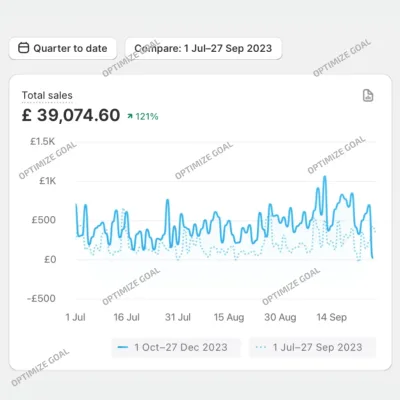
Revenue had stalled. We fixed the site experience and launched UGC problem-solution ads — the quarter closed up 121% on the one before.
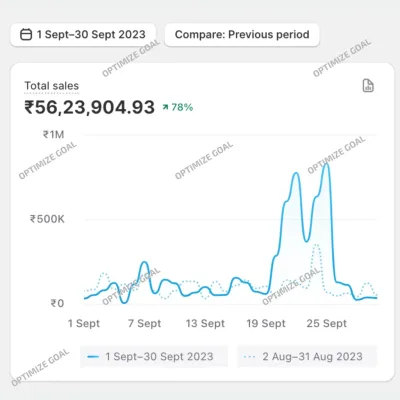
No funnel structure and a flat account. We rebuilt campaigns around a small set of offers and let the winners take the budget.
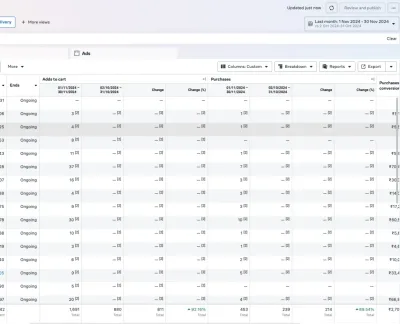
The brand could not scale without losing profitability. The first 30 days of the new funnel lifted adds to cart 92% and purchases 89%.
“A lot of custom development made it difficult to glean accurate insights through Google Analytics. They exceeded our expectations by finding a solution in half the time that other firms quoted us, and did so mostly independently, letting our team focus on the day-to-day.”
Most Shopify brands weigh three options: a specialist agency, a first in-house media buyer, or a freelancer per channel. The honest answer depends on spend level, channel count and who will own tracking — so here is how the three compare on the criteria that actually decide it.
| What to compare | Specialist Shopify ads agency | In-house buyer or freelancer |
|---|---|---|
| Channel coverage | Paid search and paid social run by one team, with budget moved between them weekly | Usually strong on one platform; the second channel gets whatever time is left over |
| What gets optimized | Contribution margin and blended ROAS across the store, with MER as the guardrail | Platform-reported ROAS, because that is the number each interface shows by default |
| Cost model | Flat monthly fee agreed after the audit, so scaling your spend does not raise our fee | Salary plus tooling, or a retainer that is often a percentage of ad spend |
| Who owns tracking | Pixel, CAPI, GA4 and feed health owned by the same team that spends the money | Usually split between a developer, an app and nobody in particular |
| Creative throughput | Weekly testing sprints, so a fatigued winner is replaced before CPA climbs | Creative is requested from a designer and arrives when the queue allows |
| Time to first movement | Tracking and structure fixes usually show in the numbers inside two weeks | Hiring, onboarding and platform ramp typically take a quarter before output |
| Commitment | Month to month with no lock-in — the work is kept by performing, not by contract | A hire is a fixed cost; an annual retainer holds the fee regardless of results |
For Shopify and Shopify Plus stores spending $10k–$500k a month on ads; below that, the audit will point you to a leaner setup instead.
Get my free Shopify ads auditGoogle is where Shopify demand gets captured rather than created, so a Shopify Google Ads agency should start at the catalog, not the campaign. Shopify Google Shopping ads are built from the store's own product records, synced to Merchant Center through Shopify's Google & YouTube app or a feed tool, so every listing is only as good as the product data behind it. Product titles, GTINs, product types and custom labels decide which auctions your SKUs can enter and how they can be segmented. We clean Merchant Center first — disapprovals, missing attributes, feed rules — then build Search, Shopping and Performance Max on top of it. Bidding is set against SKU margin, so a high-margin bestseller and a thin-margin accessory are never asked to hit the same return target.
On the search side, the job of a Shopify paid search agency is mostly discipline. Brand and non-brand are separated so brand traffic cannot quietly inflate the account average. Search term reports are mined weekly for negatives, and Performance Max is run with asset group structure, brand exclusions and feed segmentation rather than as a single black box campaign. Shopping gets its own budget logic, because a product that converts at a strong margin deserves more aggressive bidding than a hero SKU that mostly attracts discount hunters.
Measurement on the Google side is where most accounts quietly lose money. Enhanced conversions and server-side tagging keep purchase data flowing when browser signals drop, so smart bidding is optimizing on real orders rather than a shrinking sample. Conversion actions are deduplicated so one Shopify order is not counted twice by two tags. We also check attribution settings and lookback windows before touching budgets, because changing a bid strategy on top of broken conversion data just makes the wrong decision faster.
A paid social Shopify agency lives or dies on creative volume and signal quality. Targeting has largely collapsed into the algorithm, which means creative is now the targeting: the hook and the offer decide who the platform shows you to and what that impression costs. We run consolidated campaign structures so budget is not fragmented across near-identical ad sets, then feed those campaigns a steady stream of statics, UGC and video angles on a weekly testing cadence with explicit win and loss calls. Shopify TikTok ads need their own treatment rather than a Reel reposted with the same hook: native-looking, sound-on video that earns attention on a feed where nobody chose to watch an ad.
Signal quality is the other half, and it is where a Shopify Facebook ads agency earns or loses its fee. The Meta Pixel and the Conversions API are both wired to Shopify checkout with proper event deduplication, so purchases are reported once and match quality stays high enough for the algorithm to find buyers. The Shopify catalog is connected to Meta and TikTok so dynamic product ads can retarget viewed and abandoned items accurately. When those connections drift after an app or theme update, delivery degrades before anyone notices in the dashboard, which is why they get checked rather than assumed.
Scaling then becomes a process rather than a nerve test. Winners get budget in controlled increments, losers are cut on a rule rather than a hunch, and retargeting is segmented by intent so you stop paying prospecting prices for people already deep in the funnel. A Shopify paid media agency should also know when to stop: if the store cannot hold contribution margin at a higher spend level, the right call is to fix the offer, the product page or the AOV first, and we will say so.
Shopify also sells advertising of its own, and it helps to know what each piece does before deciding what belongs in the plan. The Facebook & Instagram and Google & YouTube sales-channel apps sync your catalog and pass checkout events to those platforms; they are the fastest way to connect a store, though their default settings are rarely where tracking should stop. Shopify Audiences, offered to Shopify Plus merchants, builds high-intent audience lists from purchase data across Shopify's merchant network and exports them to connected ad platforms for prospecting and retargeting. Shop Campaigns place your products inside the Shop app and charge only when a new customer buys, which makes the cost easy to read, but they still deserve a check against blended numbers, because a shopper who was already on the way to your store can count as new there too.
The single most useful decision a Shopify brand can make is choosing which number the account is steered by. Platform ROAS is the easiest to read and the least reliable, because Meta, Google and TikTok will each happily claim the same order. MER — total store revenue divided by total ad spend — cannot be double counted, which makes it the honest topline. Contribution margin then tells you whether that revenue is worth having once cost of goods, shipping, payment fees and discounts are taken out.
So our weekly reporting runs in that order: blended ROAS and MER against Shopify order revenue, then CAC and new-customer revenue, then platform-level detail underneath. That order matters, because a channel can look excellent in its own dashboard while the blended number goes sideways — which usually means it is harvesting demand another channel created. Reconciling every figure back to Shopify orders is what makes the report defensible in a board meeting instead of a debate about which attribution window to believe.
None of that works without tracking that survives contact with reality. Server-side tagging, the Conversions API and enhanced conversions recover a meaningful share of the events that browser pixels lose to iOS restrictions and ad blockers, and GA4 gets configured to match how the store actually sells rather than out of the box. If your audit shows the tracking is broken, we fix that before scaling spend, because every optimization decision made on bad data is wrong by exactly the same margin.
We charge a flat monthly management fee, agreed after the free audit and based on scope — how many channels are in play, how much creative testing is needed, and whether tracking has to be rebuilt first. We do not charge a percentage of ad spend. Percentage pricing quietly rewards an agency for spending more of your money, which is the opposite of the incentive you want when the honest recommendation some months is to hold budget flat and fix the offer instead.
The commercial terms are deliberately simple: month to month, no lock-in, no large upfront fee. We take on 2–3 new partners a month so every account keeps a senior buyer, and we keep the work by performing rather than by contract. Most partners fit the $10k–$500k per month spend range; below that, the free audit will usually tell you that a leaner in-house setup beats a management retainer, and we will say so on the call rather than sell you something that does not pay for itself.
Choosing a Shopify ad agency comes down to four checks. Ask who is actually in the account daily, and whether that is the person you met. Ask which number they steer by — platform ROAS, blended ROAS or contribution margin. Ask whether they own tracking and the product feed, or treat both as somebody else's problem. Then ask for the commercial terms in writing: fee model, notice period and lock-in. Agencies that answer all four plainly are usually the ones doing the work themselves.
We run both, and we prefer to. Paid search and paid social behave as one system on a Shopify store: social creates the demand that later shows up as branded searches, and search captures buyers already comparing. Running them under one team means budget can move between channels weekly on blended performance, rather than two agencies each defending a slice. If you only want a Shopify PPC agency for Google, or paid social alone, we will still audit both, because the numbers in one are rarely explained without the other.
We typically partner with Shopify merchants spending between $10k and $500k per month across paid search and paid social. Below that range, a management retainer often costs more than it returns, so the free audit will usually recommend a leaner setup — fixing tracking, tightening the feed, running a single channel in-house — instead. Above it, the work shifts toward structure, incrementality and creative volume rather than day-to-day bid management, and the reporting gets more attention than the ad accounts do.
No. Work with us is month to month, with no lock-in and no large upfront fees. We take on 2–3 new partners a month, and we keep accounts by performing rather than by holding anyone to a term. Practically, that means the first 30 days have to show something real — cleaner tracking, a structural fix, movement in blended numbers — because there is nothing else keeping the engagement alive. Most partners stay because the numbers compound, not because a contract says they must.
Tracking and structural fixes usually show up in the numbers inside the first two weeks: cleaner conversion data, budget pulled off campaigns that were never paying back, and delivery restored on products that were sitting disapproved. Meaningful, compounding scale — new creative winning, budget shifting toward what actually pays back, CAC settling at a level the margin supports — typically builds over the first 60 to 90 days. Anyone promising a transformation inside a fortnight is describing luck, not a process.
A dedicated senior buyer runs your account, and the person you meet on the audit call is the person in the ad accounts every day. There are no handoffs to a junior after signing, no rotating account managers and no shared inbox. That is also the reason we cap intake at 2–3 new partners a month: senior attention does not scale by hiring faster, so we limit how many stores each buyer carries instead of stretching the promise.
We lead with blended numbers and treat platform ROAS as supporting detail. Blended ROAS and MER compare total ad spend to total Shopify revenue, so no order can be claimed twice by two platforms, and contribution margin then shows whether that revenue is worth having after cost of goods, shipping and discounts. Platform figures still matter for optimizing inside each account, but they are never the number a scaling decision is made on. You get a weekly written report and a live dashboard.
Shopify tracking is part of the engagement, not a separate project. We wire the Meta Pixel, the Conversions API, GA4 and Google Ads conversions to Shopify checkout events, deduplicate them so one order is counted once, and add server-side tagging where browser signals are being lost. The audit tells you what is currently broken before anything is agreed. Scaling spend on top of broken measurement just buys a more expensive version of the wrong decision, so this gets fixed first.
Yes — creative is treated as part of media buying, not a separate favor. We work with statics, UGC and short-form video, testing hooks, angles and offers on a weekly cadence so a winning ad is replaced before fatigue pushes CPA up. Where you already have a creative team or a UGC supplier, we brief them with the angles the data supports instead of duplicating the function. Either way, creative decisions are made from performance evidence rather than internal taste.
Hire in-house when one channel dominates your spend, the volume justifies a full-time salary, and someone senior can own tracking and creative supply. Use a Shopify ads agency when you need paid search and paid social run together, want creative testing at a cadence one person cannot sustain, or need the work live in weeks rather than after a hiring cycle. Many brands run both: an in-house owner for strategy and brand, with an agency carrying execution across channels.
A Shopify ads agency owns paid acquisition — the campaigns, creative, feed and tracking behind Meta, Google and TikTok spend. A Shopify marketing agency owns the wider funnel, adding email and SMS retention, conversion rate optimization and lifecycle work on top of paid media. A plain Shopify agency, by contrast, usually means a theme and development studio, which is a different job again. If your problem is that ad spend is not converting into profitable orders, start with ads. If the problem is repeat purchase rate and store conversion rate as much as acquisition, the broader engagement fits better.
Yes. Shopify Plus stores are common in this work, and the differences that matter to paid media are checkout extensibility, multi-store or Markets setups, and how order data is consolidated for reporting. Multi-region stores need feed, currency and campaign structure handled per market rather than pooled, or the blended numbers stop meaning anything. We work with brands in the US and internationally, and the audit covers whichever markets are actually carrying your spend today.
The free audit reviews your ad accounts, tracking setup and store, and comes back inside 48 hours. You get a written view of where spend is leaking, which conversion events are misfiring, what the product feed is blocking, and what we would change in the first 90 days — with the size of the opportunity attached. There is no obligation and no pitch deck. If paid media is not your constraint right now, the audit will say that plainly.
Nothing formal. The call runs 30 minutes with the senior buyer who would run your account, so the most useful thing is access: collaborator or read access to Shopify, plus your Meta, Google and TikTok ad accounts, so we look at real orders instead of screenshots. A rough gross margin figure helps us judge spend against contribution margin rather than platform ROAS. Bring the question you most want answered; the written audit follows inside 48 hours either way.
Yes. TikTok runs alongside Meta and Google inside the same engagement, with the Shopify catalog connected so product ads can retarget viewed and abandoned items, and purchase tracking wired to Shopify checkout so TikTok optimizes on real orders. The creative is where TikTok differs most: it has to look native to the feed, so we brief and test it separately rather than recycling Meta ads. Budget moves to TikTok only while it holds up on blended numbers, not on what TikTok reports about itself.
Yes, and they start in Merchant Center rather than in Google Ads. The Shopify product catalog feeds Google directly, so titles, GTINs, product types and custom labels decide which Shopping and Performance Max auctions each product can enter. We clean the feed, fix disapprovals, then set bids by SKU margin rather than one account-wide return target. If feed work is the whole problem, our dedicated Google Shopping ads agency service covers it in more depth.
Yes. If you need a Facebook and Instagram ads agency for Shopify store growth rather than every channel, we can run Meta on its own: consolidated campaigns, weekly creative testing, and the Pixel and Conversions API wired to Shopify checkout with proper deduplication. We will still look at Google in the audit, because Meta creates demand that often shows up later as branded search, and a Meta-only report can undersell what the channel is doing for the store.
Yes, but the plan looks different. With no purchase data, Meta and TikTok have little conversion signal to learn from, so early spend goes into creative testing and building that signal, while Google Search captures whatever demand already exists for your product type. Tracking has to be right from the first order, because those first conversions teach every algorithm who your buyer is. If your budget sits below the $10k a month where a retainer starts to pay for itself, the audit will recommend a leaner setup you can run yourself until the store has traction.
That depends on what the audit finds rather than on a fixed onboarding calendar. Where tracking and the feed are sound, we restructure inside your existing ad accounts, so live campaigns keep running while they are improved rather than restarting from zero. Where the Pixel, Conversions API or Merchant Center feed are broken, those get fixed first, because launching on top of them just buys bad data faster. Tracking and structural fixes usually show in the numbers inside the first two weeks, and the first 30 days have to show something real.
Thirty minutes with a senior strategist, not a salesperson. You leave with the first three things we would change — and you decide what happens next.